Gel-X Nail Aftercare: How to Make Your Extensions Last Longer
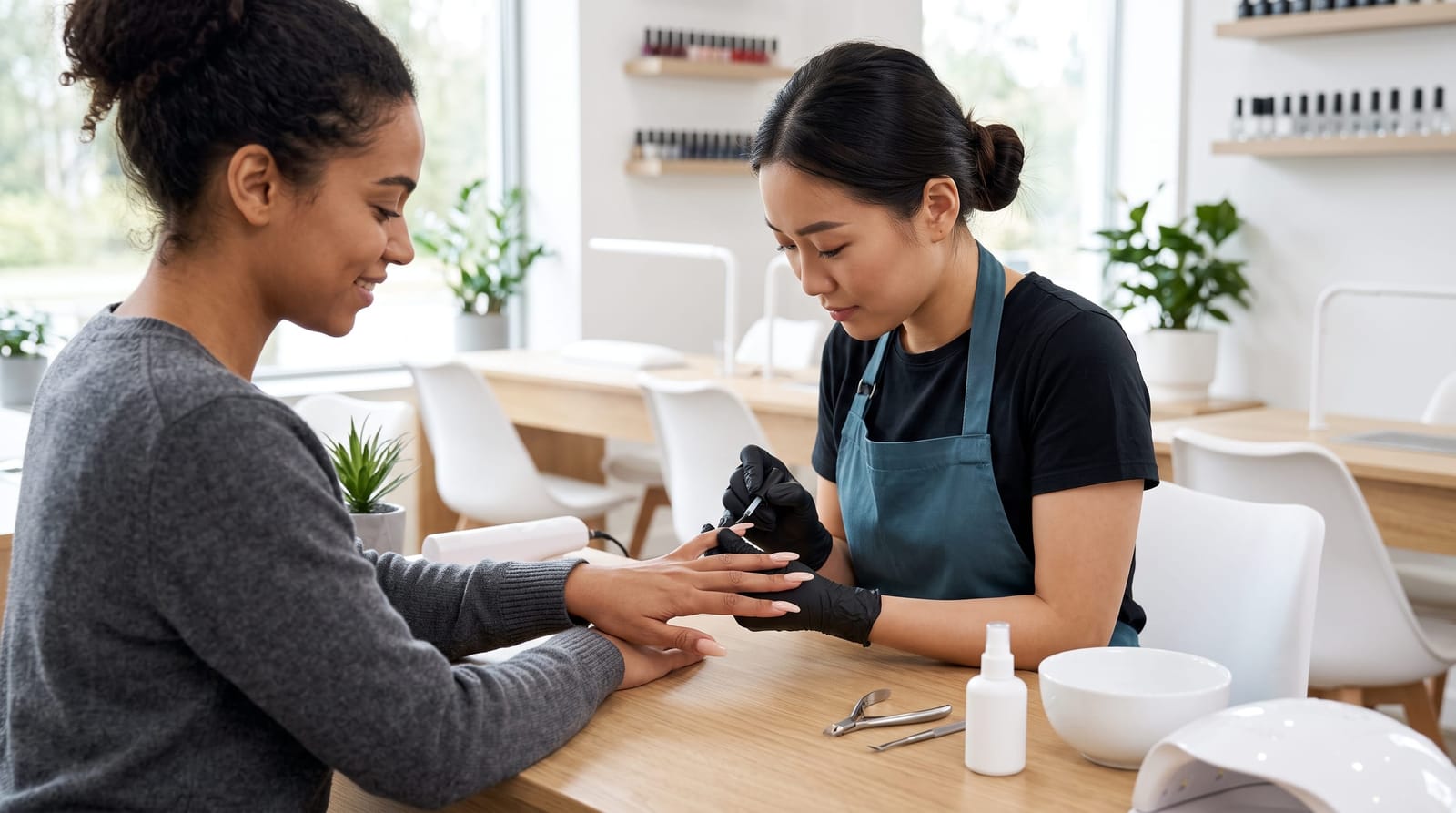
Getting a fresh set of Gel-X extensions is one of the best feelings: beautifully shaped, glossy nails that look like you walked straight off a nail editorial. But if you've ever had a set lift at the edges by day five or snap before your two-week mark, you already know that gel-x nail aftercare tips matter just as much as the application itself. As part of our complete guide to Gel-X extensions in San Francisco, this post dives deep into exactly what to do, and what to avoid, once you leave the salon. Whether this is your first set or your tenth, the habits you build in the first 24 to 48 hours (and every day after) directly determine how long your extensions look their best. Here's everything you need to know.
Understanding Why Gel-X Extensions Need Special Care
Gel-X extensions are soft gel tips bonded to your natural nail with a builder gel, then cured under a UV/LED lamp. Unlike acrylic systems that air-cure into a rigid structure, soft gel remains slightly flexible, which is one of the reasons clients love the feel. That flexibility, however, also means the bond can be disrupted by certain everyday habits that traditional acrylic might shrug off. Understanding why your extensions need care makes the aftercare routine feel less like a chore and more like protecting an investment.
The Bond Point Is the Vulnerability
The seal between the soft gel tip and your natural nail plate is strong when properly applied, but it is porous at a microscopic level. Water, oils, and harsh chemicals can work their way under that seal over time, weakening adhesion and causing lifting. Studies on gel nail adhesion show that prolonged water exposure, defined as more than 20 minutes of continuous soaking, can reduce bond strength by up to 30% compared to nails kept dry. That number alone explains why so many people notice their first lift around the kitchen sink.
Natural Nail Growth Changes the Dynamic
Your natural nails grow approximately 3 to 4 millimeters per month. As the free edge of your natural nail grows out, a small gap develops at the base of the extension, creating a lever effect. If that gap catches on fabric or absorbs moisture before your fill appointment, the entire tip becomes more vulnerable to breakage. This is why timing your fills correctly, rather than pushing them past the recommended window, is as important as any daily habit.
If you're still deciding which extension type suits your lifestyle best, our breakdown of gel-x vs acrylic nails covers how the care requirements compare across different systems.
The First 24 Hours: Setting Up for Success
The initial period after application is when the bond is most vulnerable to disruption. Most nail technicians recommend treating the first 24 hours as a "curing window" even though the gel is technically hardened under the lamp before you leave the salon.
Keep Hands Dry and Avoid Heat
For the first 24 hours, skip long baths, hot tubs, and swimming entirely. Even a 10-minute soak in very hot water in the first day can cause micro-expansion at the bond line that leads to early lifting. Lukewarm, brief handwashing is fine, just pat dry thoroughly and don't let water sit under the free edge of the tip. According to nail industry data, approximately 60% of early-lift complaints (within the first week) are attributed to excessive moisture exposure in the first two days.
Avoid Pressure-Heavy Activities
Opening cans, pulling staples, prying lids, any task that puts direct prying pressure on the tip, is a risk. The gel-to-nail bond hasn't been stress-tested yet by your normal routine. Give it one full day before you go back to normal manual tasks, and when you do return to them, adjust your technique (more on that below).
Daily Gel-X Nail Aftercare Habits That Make a Real Difference
Good aftercare for Gel-X extensions is less about a complicated routine and more about a handful of consistent daily habits. Think of it like skincare: the basics done reliably beat an elaborate protocol done occasionally.
Moisturize Cuticles at Least Once Daily
Dry, cracked cuticles are more than a cosmetic issue. When the skin around the nail plate dries out and contracts, it can pull at the edge of the extension and create micro-lifts. Apply a nourishing cuticle oil, ideally one containing jojoba, vitamin E, or almond oil, at least once a day, with twice daily being ideal for those who wash their hands frequently or live in dry climates. Work a small drop into each cuticle and the skin around the tip. This single habit is cited by nail technicians as the number one difference between clients who get three weeks of flawless wear and those who see lifting by day ten.
Reapply Top Coat Every 3 to 5 Days
One of the most underused gel-x nail aftercare tips is the at-home top coat refresh. The glossy finish on your extensions doesn't just provide shine: it acts as a protective seal that reduces micro-scratching and edge chipping. Applying a thin layer of clear top coat every three to five days keeps that barrier intact. Use a gel-compatible top coat (not a traditional air-dry polish top coat, which can peel off gel surfaces) and apply it in thin, edge-sealing strokes. This small step can meaningfully extend the visual life of your set between fills.
Wear Gloves for Cleaning and Chemical Exposure
Household cleaners, including dish soap, bleach, ammonia-based glass cleaners, and acetone, are among the most damaging substances for gel nail bonds and gel color. Even "gentle" dish soaps contain surfactants designed to break down oils, which are the same oils that keep your cuticles healthy and that form a natural protective layer on the nail surface. A pair of rubber or nitrile gloves kept under the kitchen sink takes about three seconds to put on and can add days to your wear time. Make it automatic.
Protective Habits: Rethinking How You Use Your Hands
The phrase nail technicians use most is "nails are jewels, not tools", and it's a cliché because it's true. The most common causes of breakage aren't product failures; they're behavioral ones.
The Tool Test: Ask Before You Act
Before you use your nail to do something, scraping a sticker off glass, clicking open a soda tab, unzipping a tight bag, pause and ask: can I use a different part of my hand or an actual tool? The pad of your finger, a coin, a pen cap, or a butter knife will do the job without applying a torque force directly to your extension. This mental habit sounds small but prevents the majority of mid-set breakages that clients report.
Typing, Texting, and Keyboard Use
If you work at a keyboard for hours each day, learn to type with the pads of your fingers rather than the tips. This takes a few days of conscious adjustment but significantly reduces the repetitive micro-stress on the free edge. For touchscreen users, the same applies: type with the fleshy pad, not the nail tip. Ergonomic adjustments like these are especially important for clients who choose longer extensions, where the lever arm on the tip is naturally greater. Speaking of length, if you're choosing your first set, our guide to best gel-x nail shape for hand type can help you pick a length that balances aesthetics with durability for your lifestyle.
Sleep Position and Accidental Stress
It sounds unusual, but sleeping with your hands tucked under your body can put surprising sustained pressure on extensions overnight. If you notice you frequently wake up with a bent or stressed nail, try sleeping with hands above the covers or on top of a pillow for the first week while the set settles into your routine.
How to Know When It's Time for a Fill
Understanding the timeline of your extensions is one of the most practical gel-x nail aftercare tips because it takes the guesswork out of scheduling. Most Gel-X sets look their best for 2 to 3 weeks, with the average client booking a fill between the 2.5-week and 3-week marks. Our detailed post on how long do gel-x extensions last covers the full timeline broken down by lifestyle and nail type.
Signs You Need a Fill
- Visible gap at the base: When you can see 2 millimeters or more of bare natural nail between the cuticle and the extension tip, it's fill time.
- Lifting at any edge: Even a small lift at the cuticle or side wall should be addressed promptly. Lifting creates a pocket where moisture and bacteria can accumulate, which is not only a durability issue but a hygiene consideration as well. If you notice any lifting, contact your nail technician rather than attempting a DIY fix with household glue.
- Dulling that top coat can't fix: If your extensions look dull or yellowish even after a fresh top coat application, the surface gel may be breaking down and it's time for professional assessment.
- Any cracking or breakage: A crack that extends toward the natural nail should be seen by your technician, not managed at home.
Don't Wait Too Long
Pushing past the four-week mark without a fill puts significant stress on the natural nail. As the grow-out gap increases, the leverage effect on the extension intensifies, increasing the risk of the tip taking a portion of your natural nail with it when it eventually breaks. Staying on schedule: generally every 2.5 to 3.5 weeks depending on your growth rate: is one of the most nail-health-positive things you can do.
What to Avoid Completely: The No-List
Even clients who do most things right sometimes make a few of these common mistakes. Here's a clear reference list of what to avoid entirely.
- Picking or peeling your extensions: This is the single most damaging thing you can do. Forcibly peeling a Gel-X tip can remove layers of your natural nail plate, leaving it thin, weak, and sensitive. If you want them off, book a proper removal appointment. Our guide to gel-x extension removal explains exactly why professional removal protects your natural nails.
- Soaking in baths, hot tubs, or pools without protection: Chlorine and salt water are particularly hard on gel bonds. If you swim regularly, consider waterproof gloves or speak with your technician about sealant options.
- Using acetone-based products near the nail area: Nail polish removers containing acetone will dissolve soft gel. If you're using them on your toenails, be careful not to get any on your fingers.
- Skipping cuticle hydration: Even one week of neglecting cuticle oil can cause visible dryness and begin the micro-lifting process.
- DIY repairs with super glue: Household super glue traps moisture, can cause an allergic reaction in some people, and makes professional repair significantly more difficult. Always consult your technician for repairs.
Conclusion: Your Aftercare Routine Is Part of the Service
Great Gel-X nails are a partnership. The nail technician handles the application, but what happens between appointments determines how long, and how beautifully, your set lasts. With daily cuticle oil, regular top coat refreshes, gloves for cleaning, and mindful hand use, most clients can expect consistent 3-week wear with nails that still look polished on day 20. These gel-x nail aftercare tips aren't complicated; they just need to become habit.
At Thi Spa & Nails in San Francisco, we take a whole-nail-health approach, which means we're here to answer aftercare questions between appointments, not just when you're in the chair. If you're ready to book your first Gel-X set, schedule a fill, or just have questions about what's right for your nails, reach out to our team today. We're conveniently located near Nob Hill, Rincon, and the Convention Center and would love to help your nails look their absolute best.