Do Gel-X Extensions Damage Your Natural Nails?
Yes, Gel-X extensions can damage natural nails, but damage is not inevitable. Preparation, extension length, wear, and removal all affect the risk. Careful application and gentle removal help protect your nails, but no extension system is damage-proof.
The useful question is not simply whether Gel-X is gentler than acrylics. It is whether the service suits your nails and whether the application and removal avoid unnecessary filing or force.
What Causes Nail Damage From Extensions?
Damage can show up as thinning, peeling, splitting, or tenderness. Several parts of wearing extensions can contribute:
- Over-filing during preparation. Buffing removes material from the nail surface. Aggressive or repeated filing can leave the natural nail thinner and more fragile, regardless of the extension system.
- Forced removal. Peeling, biting, or prying off an extension can pull away layers of the natural nail along with the product.
- Catching or bending a long extension. Added length creates leverage. A snag can stress the natural nail underneath, especially as the extension grows out.
- Continuing to wear lifted or damaged extensions. Gaps can collect moisture and debris, while a loose edge can catch and pull on the nail.
Gel products can also cause allergic reactions. This is different from damage caused by filing or pulling, and it means careful technique cannot eliminate every possible problem.
How Gel-X Compares With Acrylics, Hard Gel, and Gel Polish
Gel-X uses pre-shaped, full-cover soft-gel tips attached with gel adhesive and cured under a nail lamp. The practical differences between services are how they add structure and how they come off, not a simple ranking from safe to damaging.
- Gel-X extensions: Add length with a pre-shaped tip. The soft-gel system is designed to soak off with acetone, although the surface product may need to be reduced first.
- Acrylic extensions: Are formed from liquid monomer and powder. Acrylic can also be removed with acetone. It does not inherently require aggressive filing of the natural nail.
- Hard gel: Can build structure or length, but generally requires filing for removal rather than soaking off. Controlled filing is especially important as the product becomes thinner.
- Gel polish: Adds color over the existing nail without the extra leverage of an extension. Preparation and removal can still damage the nail if they are too aggressive.
Soak-off removal is a useful feature of Gel-X, but it is not a guarantee of healthier nails. Product thickness, preparation, and removal technique matter more than a promised removal time. Neither a hand file nor an electric file is automatically damaging; the concern is removing too much natural nail.
At Thi Spa & Nails in San Francisco, we offer Gel-X Extensions, hard gel manicures, gel manicures, and classic manicures. If your goal is color rather than added length, an extension may not be necessary.
How to Reduce Stress on Your Natural Nails
Choose a Length That Fits Your Routine
A shorter extension has less leverage if it catches. For a first set, a manageable length can make typing, fastening clothing, and everyday tasks easier. Using tools rather than your nails to lift tabs or scrape labels also reduces opportunities for bending and snagging.
Pay Attention to Preparation and Fit
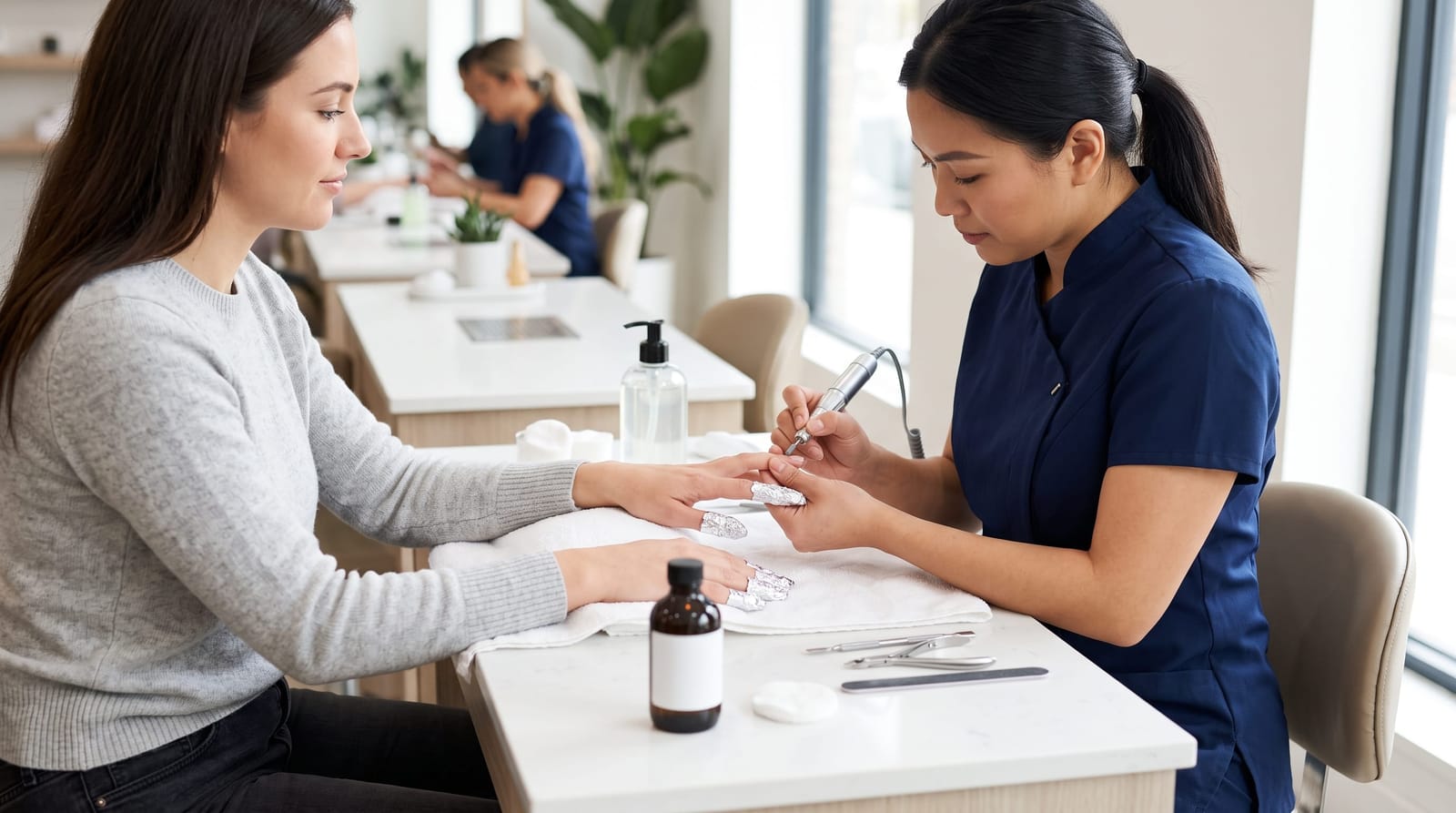
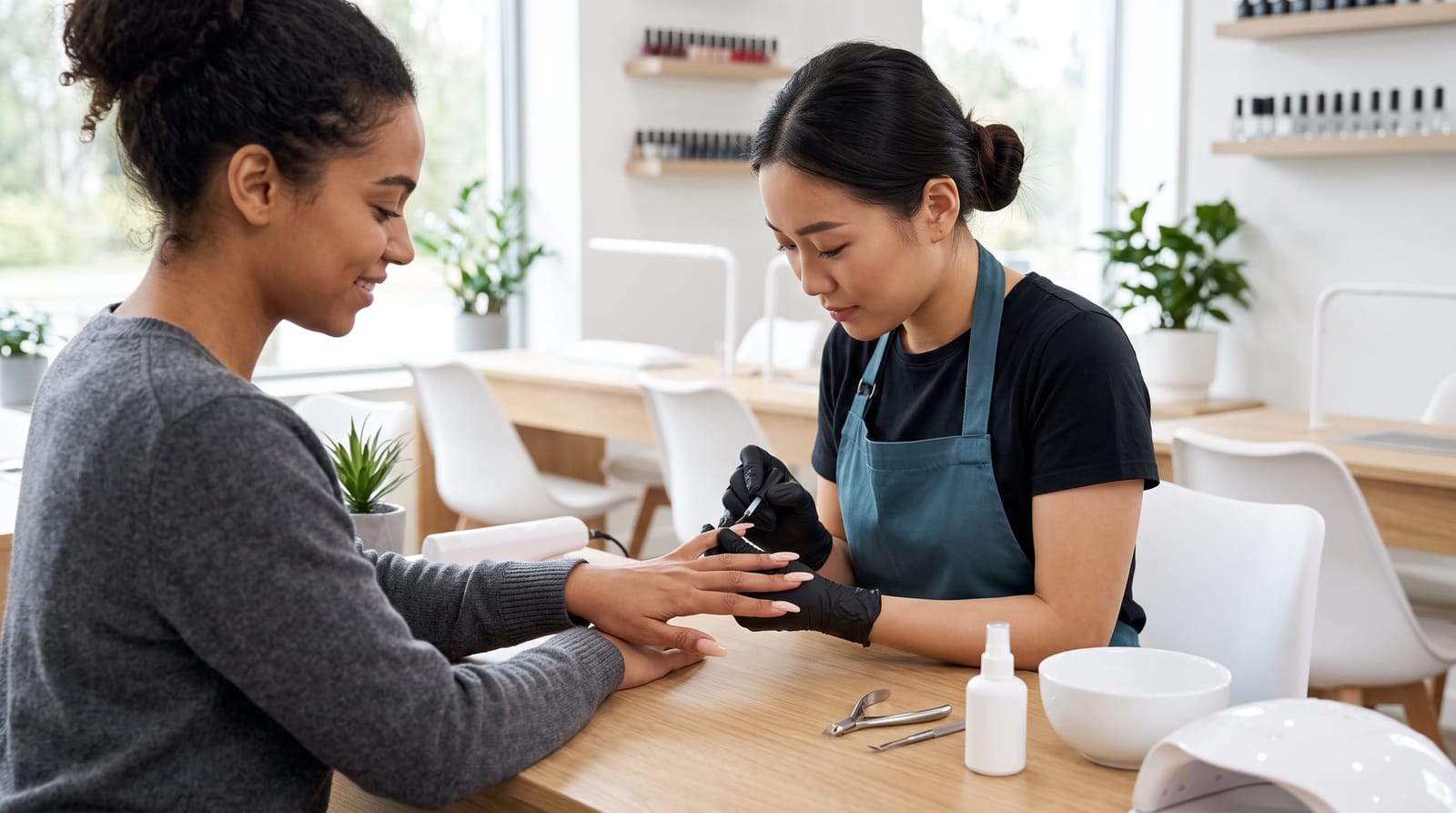
Preparation is about creating a clean surface for adhesion, not filing the nail until it feels thin. A tip needs to fit comfortably without being forced into place. Keeping uncured gel off the skin and using the correct curing equipment are also important parts of application.
During a nail health consultation before any product is applied, discuss previous lifting, painful removal, or reactions to nail products. Those details are more useful than simply asking for the longest-lasting set.
Respond to Lifting Rather Than Following a Fixed Calendar
Nail growth, extension length, and daily activities affect how a set wears. A set that still looks good from above may have lifting at an edge. Visible gaps, cracks, repeated catching, or discomfort are reasons to arrange maintenance or removal rather than keep wearing the set until a planned date.
Gluing down a lifted area at home can seal in moisture or debris. A loose extension needs attention, not just another layer of product over it.
Keep Removal Gentle
Gel-X is designed for soak-off removal, not peeling. Removal time varies with the product and its thickness, so a fixed number of minutes is not a reliable test of readiness. Product that still resists removal calls for more patience, not harder scraping.
Professional removal is a practical option, particularly for a thick set or nails that already feel fragile. The goal is to remove the extension without pulling away the natural nail surface or filing into it.
When Damaged Nails Need More Than a Different Extension System
Switching from acrylics to Gel-X does not repair a nail plate that has already been thinned. Covering a damaged nail can hide changes without addressing them. Existing peeling, splitting, or tenderness matters when deciding whether to apply another set.
For persistent pain, itching, swelling, discoloration, or a nail separating from its bed, a licensed dermatologist is the right professional to assess your individual situation before another set. Nail technicians can discuss cosmetic services, but those symptoms need medical assessment.
Short nails are a separate issue from damaged nails. If length is your main concern, our article on gel-x extensions on short nails explains what to consider before a first set.
Frequently Asked Questions
Do Gel-X extensions damage nails more than regular gel polish?
Extensions add length, so they can put more leverage on the natural nail when caught or bent. Gel polish does not add that length, but it still involves preparation, curing, and removal. Neither service is automatically damage-free. If you only want color on your current nails, gel polish avoids the extra mechanical stress of an extension.
How long does it take for nails to recover after damage?
Nails grow approximately 3-4mm per month. A thinned or peeled section generally needs to grow out, so recovery can take months rather than days. The time depends on where the damage is and how much of the nail is affected.
Cuticle oil and moisturizer can help condition the nail and surrounding skin, but they do not replace nail layers that have been filed or peeled away. A strengthener is not a shortcut to regrowing the nail plate.
Does taking a break between Gel-X sets help?
A break avoids another round of preparation and removal while giving you a chance to see the condition of your bare nails. It can be useful when nails feel fragile or look damaged, but a brief break does not restore lost thickness. The important factors are the nail's condition and allowing damaged areas to grow out, not following a universal break schedule.
The Bottom Line
Gel-X offers added length and soak-off removal, but it is not automatically safer than every other extension method. The most useful protections are restrained preparation, a comfortable fit and length, attention to lifting, and removal without force. Healthy-looking extensions are only part of the picture; how your natural nails look and feel between sets matters too.